Sacraments

  1. Home
  2. Sacraments
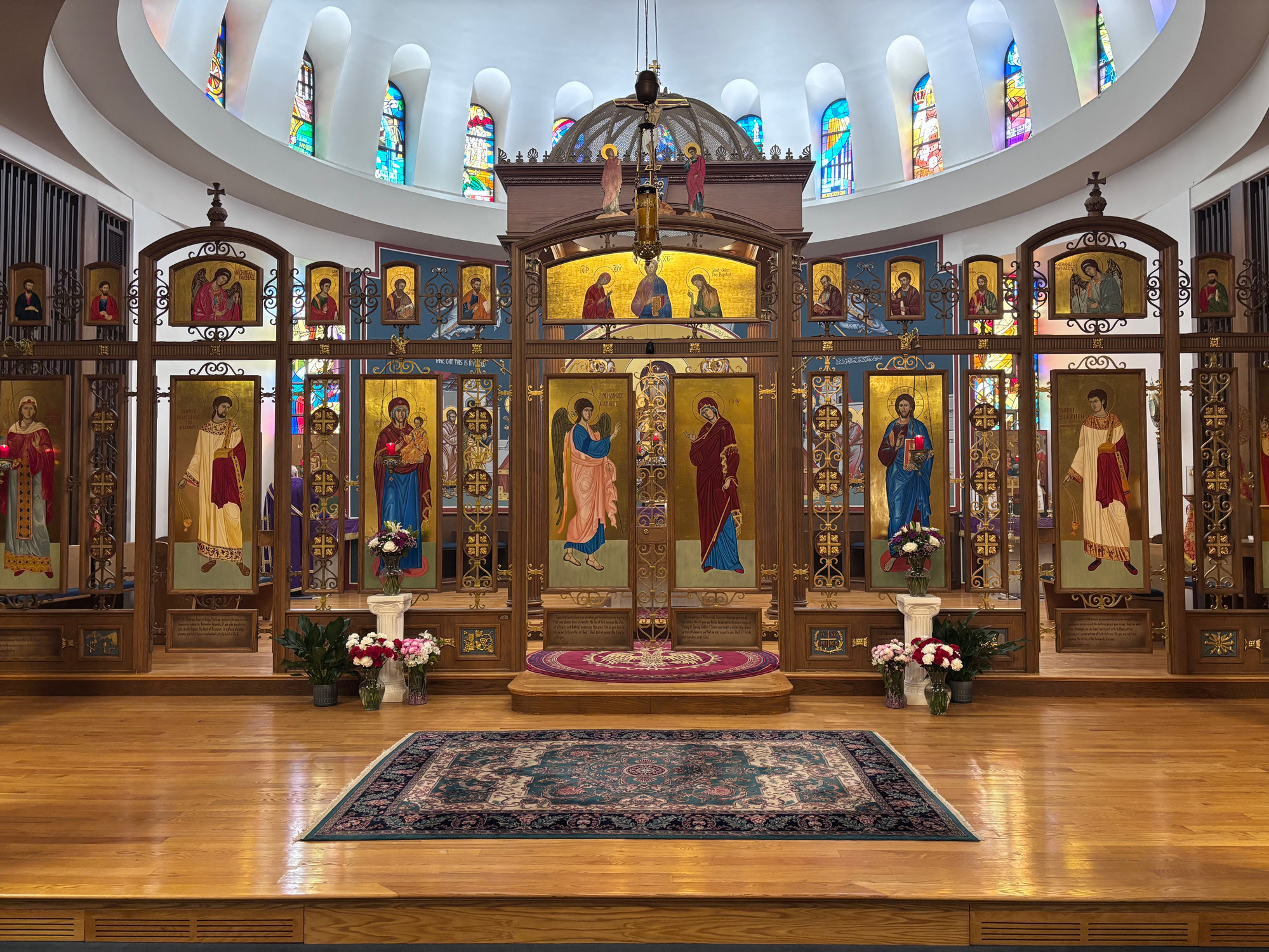
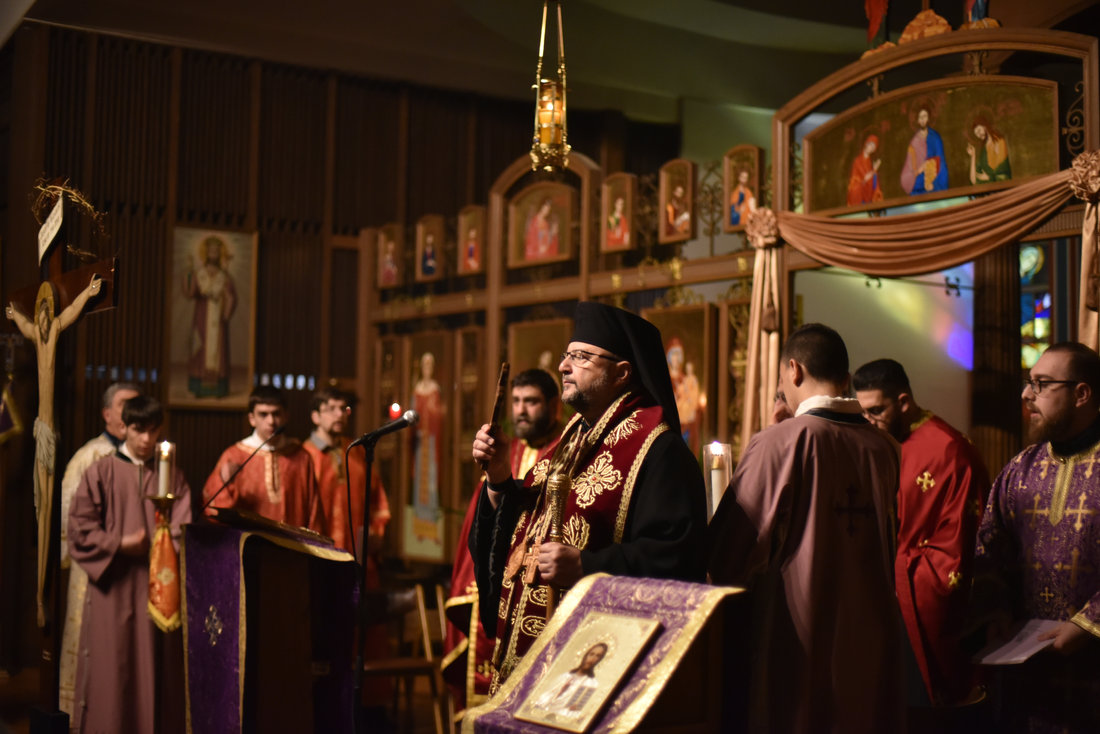
Celebration of the Holy Mysteries at the cathedral

Channels of Divine Grace

Through the Sacraments, the faithful experience God’s presence and receive the grace necessary for salvation and spiritual growth. Rooted in apostolic tradition and expressed through the beauty of Byzantine worship, these sacred rites accompany believers from birth to eternal life.

Explore

The Journey of Faith

Walking with Christ through the sacred rites and traditions of the Melkite Church

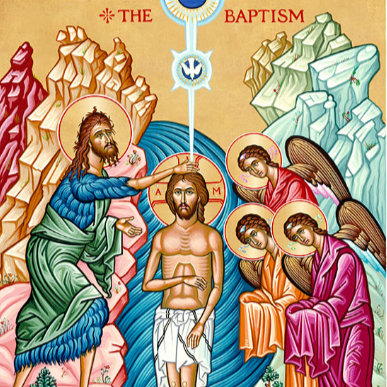
Holy Baptism by triple immersion
01

Baptism

Holy Illumination – To Hagion Baptisma

Baptism is the Holy Sacrament through which a person is reborn into new life in Christ and welcomed into His Holy Church. In the Melkite Byzantine tradition, Baptism is administered by triple immersion in water in the name of the Father, and of the Son, and of the Holy Spirit, symbolizing participation in Christ’s death and resurrection. Through this sacrament, the faithful are cleansed from sin, illumined by divine grace, and united to Christ.

In accordance with the ancient practice of the Eastern Church, Baptism is immediately followed by Chrismation and the reception of the Holy Eucharist, completing one’s initiation into the life of the Church. Also known as Holy Illumination (Photismos), this sacrament marks the beginning of a lifelong journey of faith, worship, and theosis—growing in communion with God through the life of the Church and participation in the Divine Mysteries.
The Sacrament of Repentance
02

Confession

The Sacrament of Repentance – Metanoia

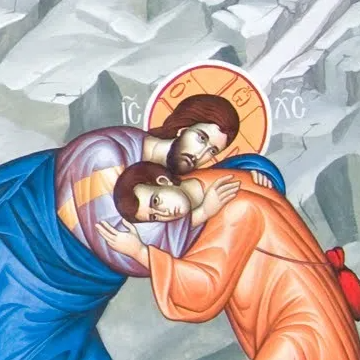
Confession, known in the Byzantine tradition as the Sacrament of Repentance, is a sacred encounter with God’s mercy and forgiveness. Through sincere repentance and the confession of sins before Christ, the faithful are reconciled with God and restored to full communion with the Church. The priest serves as a spiritual father and witness, offering guidance and pronouncing absolution through the grace entrusted to the Church.

In the Eastern Christian tradition, repentance is understood as metanoia—a true change of heart and return to God. Rooted in humility and spiritual healing, this sacrament renews the soul, strengthens the faithful in their struggle against sin, and restores peace through the boundless mercy of Christ.

Wedding crowns of the Holy Crowning
03

Marriage

Holy Crowning – To Mystērion tou Gámou

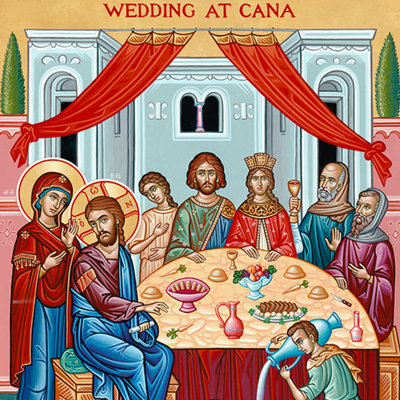
Marriage, known in the Byzantine tradition as the Holy Crowning, is the sacred union of a man and a woman blessed by God and sanctified by the Church. During the wedding service, the bride and groom are crowned as a sign of honor, sacrifice, and their vocation to become a domestic church rooted in Christ. This sacrament reflects the mystical union between Christ and His Church and calls spouses to a life of faithful love, unity, and mutual sanctification.

The Byzantine rite includes the crowning ceremony, the common cup, and the joyful procession known as the Dance of Isaiah (Ho Choros tou Isaïou), symbolizing the couple’s first steps together in Christian life. Strengthened by God’s grace, husband and wife are called to nurture their family in the faith and bear witness to the Gospel through sacrificial love and devotion to one another.

Candles for the Rite of Christian Burial
04

Funerals

The Rite of Christian Burial – Exodios Akolouthia

The Melkite Funeral Service is a solemn and hope-filled expression of the Church’s faith in the resurrection of Jesus Christ. Rich in Scripture, prayer, and Byzantine hymnography, the service commends the departed to the mercy of God while offering comfort and consolation to those who mourn. The Church prays for the repose of the soul and proclaims the promise of eternal life through Christ’s victory over death.

Known in Greek as the Exodios Akolouthia, or “Service of Departure,” the funeral rite includes prayers and memorial services such as the Trisagion and Panikhida. The faithful chant “Memory Eternal” (Aiōnia hē Mnēmē), entrusting the departed to God’s everlasting remembrance and His eternal Kingdom.

Holy oil for the Anointing of the Sick
05

Anointing of the Sick

Holy Unction – To Hagion Elaion

The Sacrament of Holy Unction, also known as the Anointing of the Sick, is offered for the spiritual and physical healing of those suffering from illness, frailty, or advanced age. Through prayers, Scripture readings, and anointing with blessed oil, the faithful receive God’s grace for the forgiveness of sins, strength in suffering, and, when it is His will, restoration of health.

Known in Greek as Euchelaion, meaning “the oil of prayer,” this sacrament reflects Christ’s compassion as the Divine Physician. In the Byzantine tradition, Holy Unction is often celebrated communally, especially during Holy Week, reminding the faithful of God’s healing presence and His care for both body and soul.

Ordination by the laying on of hands
06

Holy Orders

Ordination – Cheirotonia

Holy Orders is the sacred sacrament through which men are ordained to serve the Church as deacons, priests, and bishops through the laying on of hands and the invocation of the Holy Spirit. This apostolic ministry, handed down from the time of the Apostles, ensures the continuity of the Church’s sacramental life, preaching, and pastoral care.

Known in Greek as Cheirotonia, meaning “laying on of hands,” ordination takes place within the Divine Liturgy as a sign of the clergy’s sacred service to the People of God. Through Holy Orders, ordained ministers are entrusted with proclaiming the Gospel, celebrating the Sacraments, and shepherding the faithful in truth, holiness, and love.

Preparing for a sacrament?

Contact the parish office to arrange Baptism, Crowning, or a pastoral visit.

Contact the office (617) 323-6355